
Uncategorized
Osimertinib api powder
Sep
Osimertinib API Powder: What It Is, Uses, Buyers, and Specifications
Osimertinib API powder is a pharmaceutical active ingredient used in targeted cancer medicines.
It belongs to a class called epidermal growth factor receptor (EGFR) tyrosine kinase inhibitors.
The compound is also known by the development code AZD-9291 and the name mereletinib. (GSRS)
Today, osimertinib is best known as the active substance in TAGRISSO.
The medicine is marketed by AstraZeneca for specific forms of non-small cell lung cancer. (European Medicines Agency (EMA))
However, osimertinib API powder is not the same as finished osimertinib tablets.
The API is the pharmaceutical raw material used during drug manufacturing.


What Is Osimertinib API Powder?
Osimertinib API is the active pharmaceutical ingredient used to manufacture medicines containing osimertinib.
API means Active Pharmaceutical Ingredient.
In pharmaceutical production, the API provides the biological activity of the medicine.
Other ingredients can then help form tablets or other pharmaceutical dosage forms.
The free-base form of osimertinib has the molecular formula C28H33N7O2.
Its molecular weight is approximately 499.61 g/mol. (GSRS)
The CAS number commonly associated with the free base is 1421373-65-0. (GSRS)
Importantly, buyers should distinguish between osimertinib free base and osimertinib mesylate.
The marketed pharmaceutical substance is generally supplied as osimertinib mesilate or mesylate. (European Medicines Agency (EMA))
Therefore, a commercial inquiry should always identify the required chemical form.
Osimertinib API Chemical Specifications
The following table provides commonly referenced identification information.
| Specification | Osimertinib API |
|---|---|
| Product name | Osimertinib |
| API type | Active Pharmaceutical Ingredient |
| Development code | AZD-9291 |
| Alternative name | Mereletinib |
| CAS number | 1421373-65-0 |
| Molecular formula | C28H33N7O2 |
| Molecular weight | 499.61 g/mol |
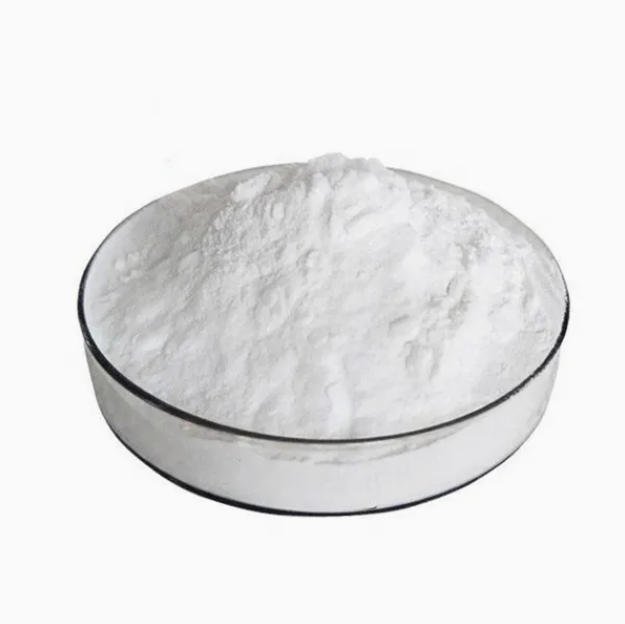
| Appearance | Solid powder |
| Therapeutic class | EGFR tyrosine kinase inhibitor |
| Main therapeutic area | Non-small cell lung cancer |
| Pharmaceutical form | API / drug substance |
| Common marketed salt | Osimertinib mesylate |
| Typical documentation | COA, SDS, analytical data |
| Quality requirements | Buyer and market specific |
Actual commercial specifications should come from the manufacturer’s current COA.
They can include assay, impurities, water, residual solvents, and particle-size data.
What Is Osimertinib Used For?
Osimertinib is primarily used in targeted treatment of EGFR-mutated non-small cell lung cancer.
It works by inhibiting specific abnormal EGFR signaling pathways.
EGFR is a protein involved in cell growth and signaling.
Certain EGFR mutations can cause uncontrolled growth in cancer cells.
Osimertinib targets several clinically important EGFR mutations.
These include exon 19 deletions and the exon 21 L858R mutation. (FDA Access Data)
It also became important for patients with the acquired EGFR T790M mutation.
This mutation can cause resistance to earlier EGFR-targeted medicines. (FDA Access Data)
Therefore, osimertinib became an important drug in precision oncology.


Osimertinib and EGFR-Mutated Lung Cancer
Regulatory indications have expanded since the original approval.
In the United States, the FDA first approved osimertinib in 2015.
The original indication involved metastatic EGFR T790M-positive NSCLC. (FDA Access Data)
Later, regulators expanded its use to other EGFR-mutated NSCLC settings.
For example, the FDA approved osimertinib for certain patients with EGFR exon 19 deletions.
It also approved use for certain patients with exon 21 L858R mutations. (FDA Access Data)
In 2024, the FDA approved osimertinib with platinum-based chemotherapy.
That approval covered certain locally advanced or metastatic EGFR-mutated NSCLC cases. (U.S. Food and Drug Administration)
The FDA also approved osimertinib for certain stage III NSCLC patients after chemoradiation.
That approval applies when the tumor has specified EGFR mutations. (U.S. Food and Drug Administration)
In Europe, the EMA also lists osimertinib as a treatment for EGFR-mutated NSCLC.
Its European product information was updated as recently as August 2026. (European Medicines Agency (EMA))
How Does Osimertinib Work?
Osimertinib is a third-generation EGFR tyrosine kinase inhibitor.
It binds to specific mutant forms of EGFR and blocks their signaling.
Consequently, cancer cells may receive fewer signals that promote growth and survival.
This mechanism makes osimertinib different from conventional cytotoxic chemotherapy.
Osimertinib also has activity against EGFR mutations linked with treatment resistance.
The T790M mutation was particularly important in the drug’s development. (FDA Access Data)
Another important characteristic is its ability to reach the central nervous system.
This property matters because EGFR-mutated NSCLC can involve the brain.
AstraZeneca reports that osimertinib crosses the blood-brain barrier.
Clinical development therefore included patients with central nervous system disease.
However, the API itself is not a cancer treatment for direct consumer use.
It is a pharmaceutical raw material intended for regulated manufacturing or qualified research.
Who Buys Osimertinib API Powder?
The buyer profile for osimertinib API powder differs from ordinary pharmaceutical products.
Most legitimate buyers operate within pharmaceutical, biotechnology, or research industries.
Pharmaceutical Manufacturers
Generic pharmaceutical companies can purchase APIs for finished dosage manufacturing.
They may manufacture tablets after meeting applicable regulatory requirements.
Such companies usually request extensive quality documentation before qualification.
They may also conduct supplier audits and analytical testing.
Contract Manufacturing Organizations
CMOs and CDMOs can also purchase osimertinib API.
They manufacture pharmaceutical products for other companies under contractual arrangements.
Their requirements can include GMP documentation and validated analytical methods.
They may also require regulatory support documents for specific markets.
Pharmaceutical Research Companies
Drug-development organizations can purchase osimertinib for research activities.
For example, they may study formulations, stability, dissolution, or analytical methods.
Research-grade material is different from commercial GMP pharmaceutical API.
Therefore, buyers should never assume that research-grade material is suitable for medicine production.
Authorized Pharmaceutical Distributors
Specialized pharmaceutical distributors can source and distribute APIs.
They normally work with qualified manufacturers and regulated customers.
Furthermore, distributors may request documentation for every production batch.
This can include a COA, SDS, manufacturing information, and quality statements.
Universities and Research Laboratories
Academic laboratories may also purchase osimertinib reference material.
Such material can support analytical, biochemical, and pharmacological research.
However, research quantities and specifications can differ greatly from manufacturing requirements.
What Documents Should Buyers Request?
Professional API purchasing requires more than checking the product name.
A buyer should request documentation that confirms identity and quality.
The exact documentation depends on the intended application and destination market.
Common documents include:
- Certificate of Analysis, or COA
- Safety Data Sheet, or SDS
- Batch number and manufacturing date
- Retest or expiry information
- Assay results
- Related-substance profile
- Residual-solvent results
- Water-content results
- Heavy-metal or elemental impurity information
- Microbiological information, when applicable
- GMP documentation
- Manufacturing-site information
- Regulatory documentation, when available
For commercial pharmaceutical production, documentation becomes especially important.
The buyer should verify that the material meets its own approved specifications.


Osimertinib API Quality and Purity
Purity is one of the most important considerations when purchasing an API.
However, a stated purity number alone does not establish pharmaceutical suitability.
For example, analytical standards may advertise extremely high assay values.
Those materials can serve analytical purposes rather than commercial drug manufacturing.
A commercial pharmaceutical buyer should therefore evaluate the complete quality package.
This includes impurity limits, analytical methods, stability, and manufacturing controls.
The COA should match the actual batch being supplied.
It should also identify the testing methods and acceptance criteria.
For regulated manufacturing, GMP status can be equally important.
EMA guidance treats API manufacturing under specific quality requirements. (European Medicines Agency (EMA))
Osimertinib API Powder Storage
Storage requirements depend on the exact material and manufacturer’s validated stability data.
Therefore, buyers should follow the supplier’s current SDS and COA.
Some research suppliers recommend refrigerated or frozen storage for their materials.
Those conditions can vary between products and packaging configurations. (MedChemExpress.com)
Commercial buyers should avoid applying research-storage information to GMP material.
Instead, they should use the manufacturer’s official storage specification.
Proper packaging also helps protect the API from environmental exposure.
The supplier should specify the approved container and storage conditions.
Osimertinib API vs. Osimertinib Tablets
These two products serve different stages of the pharmaceutical supply chain.
Osimertinib API powder is a drug substance used in manufacturing.
Osimertinib tablets are finished pharmaceutical products intended for patient treatment.
For example, TAGRISSO is supplied as a finished tablet product.
The FDA prescribing information identifies osimertinib mesylate as the active pharmaceutical substance. (FDA Access Data)
Therefore, buyers should clearly state whether they require API or finished dosage forms.
This distinction also affects documentation, packaging, regulations, and purchasing procedures.
Key Points for Osimertinib API Buyers
When sourcing osimertinib API powder, buyers should confirm several details first.
First, confirm whether the required material is free-base osimertinib or mesylate.
Next, confirm the CAS number and molecular identity.
Then, request the current batch COA and SDS.
Also, verify the intended quality grade and manufacturing standard.
Furthermore, buyers should confirm the legal status in the destination country.
Patent and regulatory requirements can differ between markets.
For commercial pharmaceutical use, supplier qualification is especially important.
A professional buyer should verify the manufacturing site and quality system.
Finally, avoid purchasing pharmaceutical APIs based only on price.
Identity, quality, documentation, compliance, and traceability all matter.
Conclusion
Osimertinib API powder is a specialized pharmaceutical active ingredient.
It plays an important role in targeted treatment for specific EGFR-mutated NSCLC.
The compound is associated with the development code AZD-9291.
Its free-base CAS number is 1421373-65-0. (GSRS)
The API has a molecular formula of C28H33N7O2.
Its molecular weight is approximately 499.61 g/mol. (GSRS)
Importantly, osimertinib is supplied in pharmaceutical products as osimertinib mesylate.
Therefore, buyers should clearly define the required chemical form before placing an order. (European Medicines Agency (EMA))
The main buyers include pharmaceutical manufacturers, CMOs, CDMOs, distributors, and research organizations.
For regulated manufacturing, documentation and supplier qualification remain essential.
Overall, osimertinib API, osimertinib mesylate API, and AZD-9291 API are important search terms.
However, professional sourcing should always focus on verified identity and regulatory compliance.
